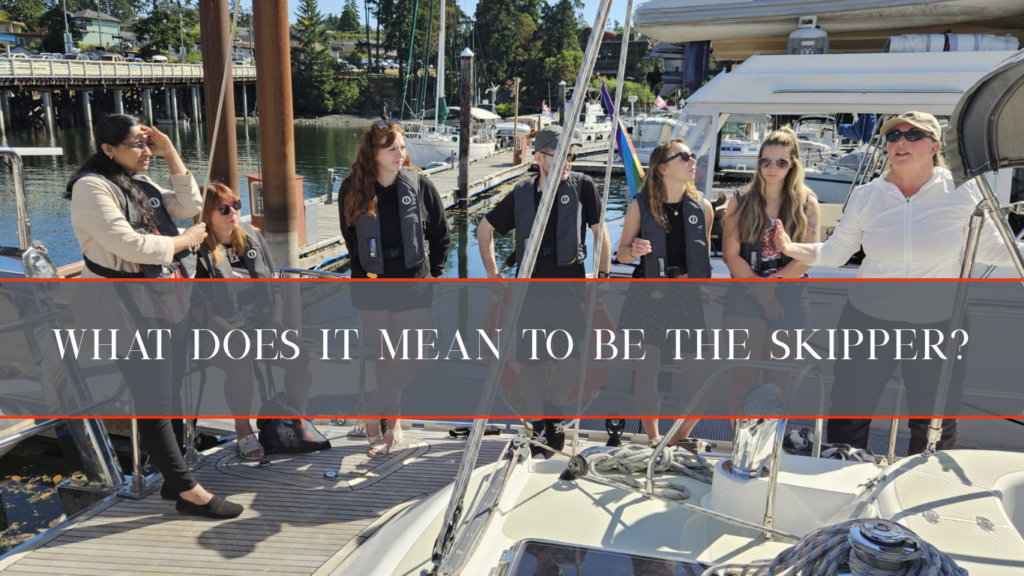
“Aye aye, Skip” is usually delivered with a bit of sarcasm on a maiden voyage.
But what is a skipper, really?
-
Is the skipper the person at the helm while docking? Not necessarily.
-
Is it the owner of the boat? Sometimes, but not always.
-
Is it the person on watch while everyone else sleeps? Maybe.
Let’s clear it up.
Being “In Command”
The skipper is the person in charge and accountable for the safety of the vessel and everyone on board – they are the master of the vessel. Is there a difference between the boat’s skipper versus it’s captain? “Captain” is a professional designation – captains have licenses (“tickets”) and sometimes manage hired crew. “Skipper” is used generally to anyone ‘running a boat’ – however small. Regardless, the responsibility is the same.
When seeking to bareboat charter a boat, skippers need to show they have the training, experience and sometimes formal licenses on a vessel of similar size (and an area of similar complexity) to demonstrate that they have what it takes to be in charge of the vessel and it’s crew.
When something goes wrong, insurance providers, charter operators and authorities scrutinize the decisions of the master of the vessel. And that person is you if you if you are the skipper of the boat.
What the skipper may be doing on the boat at any point in time varies. The skipper is not always the owner. Many owners hire experienced skippers for complex itineraries or are required to have a qualified skipper on board to satisfy insurance requirements, depending on the complexity of the vessel and experience of the owner.
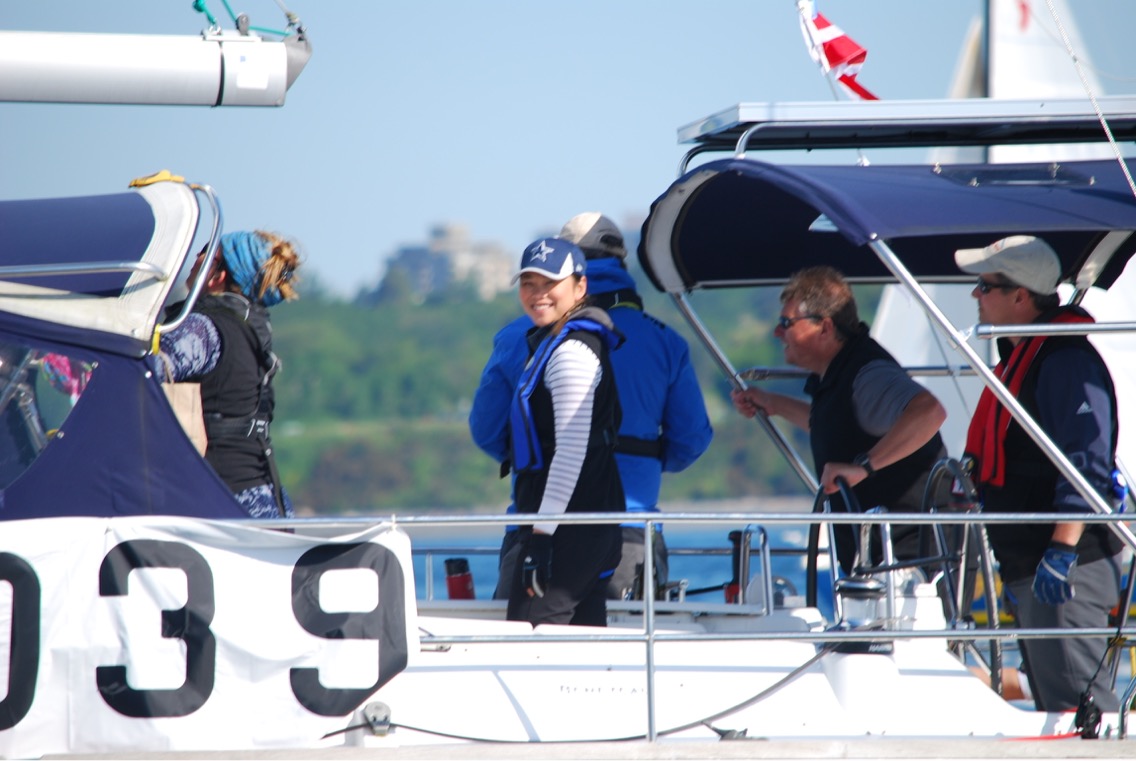
The skipper is not always at the helm. Depending on the circumstances, they could be handling lines while docking, managing the crew, performing maintenance tasks or resting – no one can be “on watch” 24/7.
Even on short passages, the skipper must delegate tasks to crew members who can safely execute without constant supervision. This is a core skipper responsibility – knowing when to step in and when to trust the crew to carry out the plan.
Skippers Set the Tone
Every certification teaches a list of technical competencies. In practice, a skipper’s skillset must go beyond equipment. They must know how to make good decisions under pressure and effectively work with their crew. They are not simply the person operating the boat. They are the person responsible for how decisions are made, communicated and carried out. The skipper’s job goes well beyond boat handling – they must posses seamanship and leadership skills.
The most valuable “equipment” on board is the crew. Learning how to involve your crew, make effective decisions when things get challenging, debrief and reset when things don’t go as planned is where trust grows and confidence is build, for the skipper and the crew. How the skipper handles these responsibilities sets the tone for even the shortest of cruises, especially on the West Coast where conditions can change quickly.
The skipper sets the tone for how the crew will:
-
make decisions about route, timing, weather, and risk
-
approach safety on board
-
communicate with one another and with other vessels, including over VHF
-
understand what’s happening and what to do next
A skipper is not simply “driving the boat.” They lead. The skipper’s mindset is what separates technical ability from true boating confidence.
“Competence” Depends on Context
Competence isn’t a fixed standard. It’s contextual. It shifts with the boat, the people on board, and the conditions.
What’s required of a skipper on a boat depends on several things:
-
the vessel’s readiness and complexity
-
the experience of the skipper and crew
-
the itinerary and the conditions: weather, tides, traffic, visibility
“Competence” for an 18-foot runabout on a calm inland lake is not the same as what’s required on a 60-foot yacht crossing the Strait of Georgia or cruising the West Coast of Vancouver Island. In British Columbia – readiness and risk are rarely static – they evolve, sometimes quietly, sometimes fast. Most West Coast boaters understand this.
What’s less obvious is how competence shifts when the stakes feel low: blue sky, an easy forecast, friends and family aboard (maybe even your boss), and the unspoken assumption that the skipper’s responsibility is to make sure everyone is having fun.
Those are often the moments that deserve the most attention.
Having boating confidence in these situations still requires situational awareness, sound judgment, and strong seamanship skills. Competence isn’t about relaxing standards when things feel easy, it’s about recognizing when conditions, expectations, or risk are changing in subtle ways.
Following “Orders”
If your mantra is “teamwork is everyone doing it my way,” that might work for a while. But great skipper’s aren’t the loudest voice on board. They’re the one who can:
-
communicate clearly
-
build trust and take accountability
-
make good decisions, and adapt when circumstances change
-
keep the crew aligned and psychologically safe
This is where skipper responsibilities extend beyond boat handling. What it means to be a skipper on a boat, especially in West Coast boating, is knowing how to lead people through uncertainty, not just how to operate the vessel.
That’s what unlocks bigger adventures, new anchorages, and, yes, that bigger boat.
It’s a quality we call: Calm Competence.
Calm Competence
Many of us picture ourselves as Captain Cool in a crisis… even if our shirt says: “Sorry for what I said while docking.” (The joke wouldn’t work if it wasn’t painfully accurate.)
When you’re out with friends and family, everyone needs to have fun, including the skipper. Whether you’re preparing for boat ownership or qualifying for a bareboat charter, clear decision-making depends on Calm Competence.
In our skipper training, we break this down into three core qualities:
-
Clear Head – Situational awareness and conscious decision-making
-
Steady Hand – Calm, nimble responses and the ability to reset quickly and intelligently
-
Crew Alignment – Clear communication, preparation, and psychological safety
Together, these skills support real boating confidence, not just when conditions are challenging, but when they feel easy.
Skipper Resources
If you are planning a cruise in British Columbia – our Resources page provides free resources for exploring the coast.
Professional seamanship & skipper responsibility:
West Coast–relevant cruising & conditions
- Canadian Coast Guard Navigation, weather, and regional safety information
- Environment and Climate Change Canada – Marine Forecasts Objective, authoritative weather context for British Columbia boating